
"historical coffee quotes"
200 article(s) found

90 + coffee bean classification rules flavor description of species, variety characteristics, producing area information, manor information
For the exchange of professional baristas, please pay attention to the coffee workshop (Wechat official account cafe_style) Ninety Plus grading L21, L39: this is almost the world of Geisha coffee in NPGE manor, it is conceivable that for 90 +, the Geisha variety itself is a high-grade expression, so the lowest grade is also in L21. Of course, it can also be extended to think that the care of Geisha may

What is the meaning of 90 + single bean L195? what are the rules for describing and grading the flavor of beans?
Professional baristas please follow the coffee workshop (Wechat official account cafe_style) Percy Perci derives from insight Perspective, which describes the ability to observe all sensory stimuli during coffee evaluation. Perci has an unusually complex flavor spectrum, including mango, pineapple, longhorn bean, plum, red grape, peach and red ginger.

What are the characteristics of the classification rules of 90 + coffee beans? what is the flavor to describe the varieties in the producing area?
For professional baristas, please follow the coffee workshop (Wechat official account cafe_style) 90 + wild ginger flower W2 Ninety Plus Kemgin W2 ■ country: Ethiopia ■ name: 90 + wild ginger flower W2 ■ producing area: Wellega,Sidama,Yirgacheffe ■ grade: W2 L7 ■ altitude: 1750 2000m ■ variety: Heirlooms ■ packaging: 30KG ■

Introduction to the production area treatment method for the description of the Flavor of High-quality 990 + single-product Bean Flavor
Professional barista communication please follow the coffee workshop (Wechat official account cafe_style) because 90 + has become an indispensable topic in the boutique coffee circle in recent years, beans that have not drunk 90 + should at least know what 90 + is popular, the focus of the topic is nothing more than the following two points: what is the new concept of 90 +? What are the powerful new beans out of 90 +? From this, we can see that the company of 90 + has an overview.
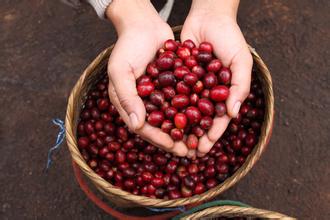
The origin of cat poop coffee beans fine coffee
Kopi Luwak is made in Indonesia. In the early 18th century, the Dutch established coffee plantations in the Indonesian colonies of Sumatra and Java, and banned locals from picking and eating their own coffee fruits. Indonesian locals inadvertently found that civets love to eat these coffee fruits and will drain the beans intact when defecating. The civet can only pick the most familiar.
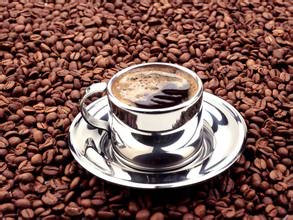
Introduction of Cat poop Coffee beans the origin of Kopi Luwak coffee beans boutique coffee
Civet Coffee (Kopi Luwak), native to Indonesia. It is one of the most expensive coffee in the world, with a price of several hundred dollars per pound. It is extracted from the feces of the civet and processed. The civet eats the ripe coffee fruit and is excreted through the digestive system. After it is fermented through the stomach, the coffee produced has a special taste and has become a grab in the international market.
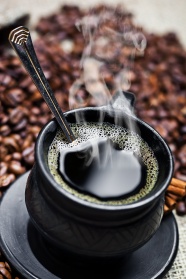
Origin of Cat poop Coffee beans Kopi Luwak Coffee beans Fine Coffee
Kopi Luwak is made in Indonesia. In the early 18th century, the Dutch established coffee plantations in the Indonesian colonies of Sumatra and Java, and banned locals from picking and eating their own coffee fruits. Indonesian locals inadvertently found that civets love to eat these coffee fruits and will drain the beans intact when defecating. The civet can only pick the most familiar.

Characteristics of Flavor description of planting Information in 90 + Coffee Bean production area
Professional barista exchange please follow the coffee workshop (Wechat official account cafe_style) introduction: Ninety PLus's Solkiln processing room uses the regulation of temperature and humidity, in fact, it simulates from the perennial aquatic plant lotus, lotus and humans, like other warm-blooded animals, have the ability to self-adjust their flowering temperature, not affected by the environment, while the technology of SK laboratory

90 + Prospect of Ruby Flavor description characteristics Variety treatment methods in planting areas
Professional barista exchanges please follow the coffee workshop (Wechat official account cafe_style) Perci Ruby (Prospect Ruby N2 Level 195 flavor characteristics: rich brandy after ruby treatment, tropical fruit flavor with honey. The tropical flavors of mango and pineapple have become wild and wild. Bananas, red grapes, honey and peaches feel a little drunk. Perci Red scarlet looking forward to N2 Le

90 + Coffee Bean production system Flavor description planting area
Exchange of professional baristas Please pay attention to the exclusive production system of coffee workshop (Wechat official account cafe_style)-if Profile Processing has read the definition of fine coffee SCAA, he will know that the process of fine coffee is long and complex, and it must rely on the persistence of many people to make a cup of fine coffee. But in fact, the interaction between each link is not smooth.

Flavor description of graded Ginseng varieties in 90 + Ginseng planting area
For professional baristas, please follow the coffee workshop (Wechat official account cafe_style) Kemgin, ginseng W2 Level 7 Origin: 90 + Ethiopia Wellega (Waliga), Sidama (Hidamo) and Yirgacheffe (Yega Snow) producing areas. Altitude: 17502000m. Treatment: washing. Taste characteristics: White peach, lime, melon, ginseng, horn

90 + coffee beans single bean treatment method introduction classification introduction characteristics flavor description
For professional baristas, please pay attention to the coffee workshop (Wechat official account cafe_style). First of all, the flavor symbol marked after each bean is W2 = washing flavor N2 = sun treatment flavor H2 = honey treatment flavor. General coffee beans W stands for washed, N stands for natural, and H stands for honey.
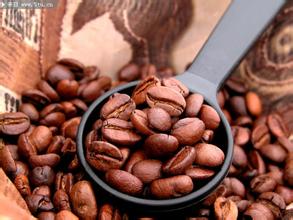
Fine Coffee Cat Poop Coffee Manor Cat Poop Coffee Origin Sumatra
Cat poop coffee, Indonesia. In the early 18th century, the Dutch established coffee plantations in the Indonesian colonies of Sumatra and Java, and prohibited the locals from picking and eating their own coffee fruits. Indonesian locals accidentally discovered that civet cats love to eat these coffee fruits and will expel the beans intact when defecating. Civets only pick the best.

90 + single bean coffee bean plantation manor flavor description of planting varieties
Exchange of professional baristas please follow the coffee workshop (Wechat official account cafe_style) 3, create your own coffee estate: Ninety Plus Gesha Estate although it is not the first time for raw bean merchants to subsidize an estate, it is probably the first time that 90 + has restarted planting coffee trees on a whole piece of farmland in Panama. And Ninety Plus Gesha Estate (hereinafter referred to as NPG

Brief introduction of 90 + Coffee beans Innovation of Flavor description method in planting History
Exchange of professional baristas please follow the coffee workshop (Wechat official account cafe_style) profile: Red Red treatment 90 + team through their own patented drying technology for a special treatment, the shelled fruit will show different degrees of red, from light red to ruby red, this treatment will enhance the aroma of coffee again, the fruit flavor and sweetness will be more prominent. Ruby
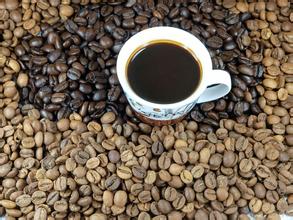
Boutique coffee Indonesian Kopi Luwak coffee practice
Kopi Luwak is made in Indonesia. In the early 18th century, the Dutch established coffee plantations in the Indonesian colonies of Sumatra and Java, and banned locals from picking and eating their own coffee fruits. Indonesian locals inadvertently found that civets love to eat these coffee fruits and will drain the beans intact when defecating. The civet can only pick the most familiar.

Boutique Coffee Kopi Luwak Manor Kopi Luwak Origin Sumatra
Kopi Luwak is made in Indonesia. In the early 18th century, the Dutch established coffee plantations in the Indonesian colonies of Sumatra and Java, and banned locals from picking and eating their own coffee fruits. Indonesian locals inadvertently found that civets love to eat these coffee fruits and will drain the beans intact when defecating. The civet can only pick the most familiar.

Fine civet coffee price Vietnamese civet coffee boutique death wish coffee
Kopi Luwak is made in Indonesia. In the early 18th century, the Dutch established coffee plantations in the Indonesian colonies of Sumatra and Java, and banned locals from picking and eating their own coffee fruits. Indonesian locals inadvertently found that civets love to eat these coffee fruits and will drain the beans intact when defecating. The civet can only pick the most familiar.

Fine coffee cat poop coffee processing method processing method wet planing method coffee beans
Cat poop coffee, Indonesia. In the early 18th century, the Dutch established coffee plantations in the Indonesian colonies of Sumatra and Java, and prohibited the locals from picking and eating their own coffee fruits. Indonesian locals accidentally discovered that civet cats love to eat these coffee fruits and will expel the beans intact when defecating. Civets only pick the best.
The taste of exquisite musk cat coffee what is the origin of Kopi Luwak
Civet Coffee Editor Muscat Coffee (Kopi Luwak), produced in Indonesia. It is one of the most expensive coffee in the world, with a price of several hundred dollars per pound. It is extracted from the feces of the civet and processed. The civet eats the ripe coffee fruit, which is excreted through the digestive system and fermented through the stomach. The coffee produced has a special taste.